
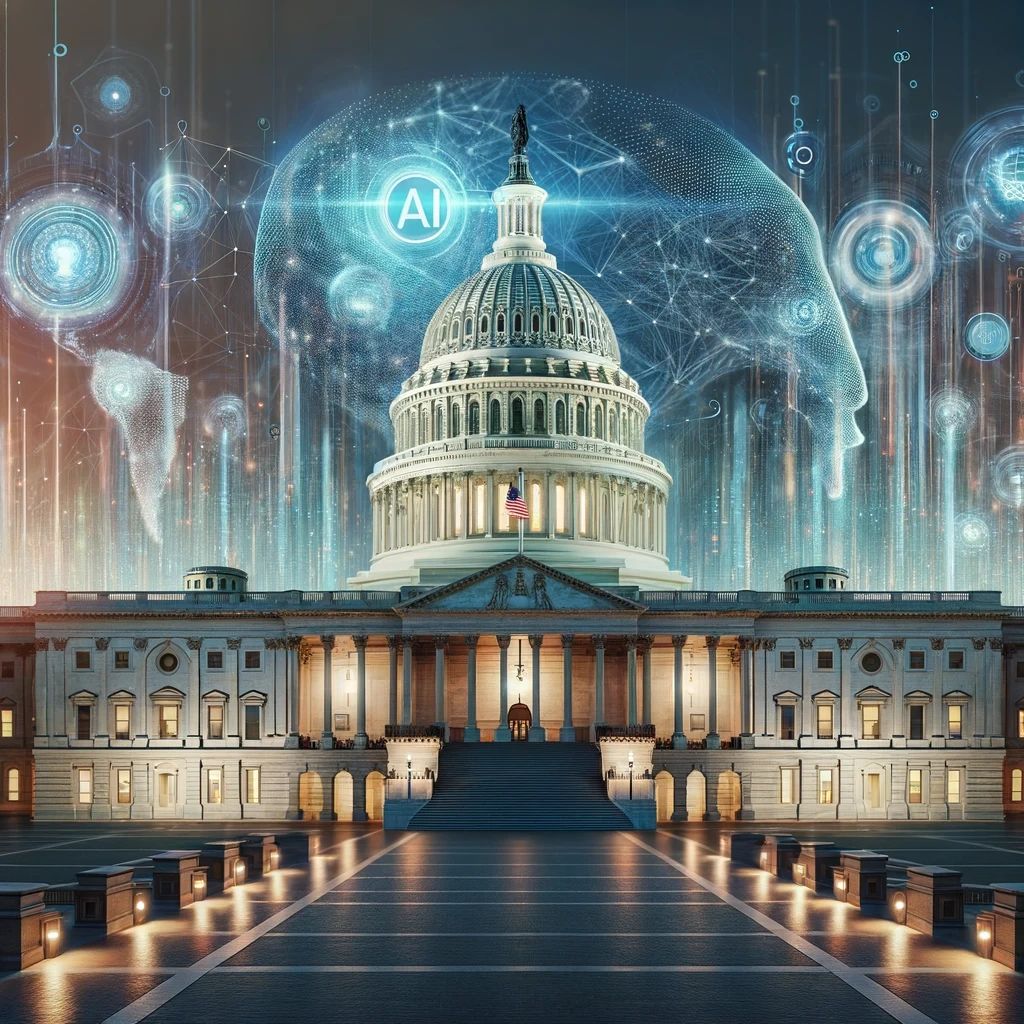
Navigating Challenges and Maximizing Benefits
In the rapidly evolving world of technology, Artificial Intelligence (AI) stands out as a transformative force, particularly in the realm of government consulting. As governments seek to modernize operations, improve efficiencies, and enhance citizen services, AI emerges as a crucial tool. This post explores the role of AI in government consulting, addressing the unique challenges and highlighting strategies for successful implementation.
The AI Revolution in Government Consulting:
Government consulting, traditionally a domain driven by human expertise and manual processes, is undergoing a significant transformation. AI offers a range of solutions, from predictive analytics to automated customer service. These technologies can streamline operations, provide deeper insights into data, and help in formulating evidence-based policies.
Addressing Challenges:
Despite its potential, integrating AI into government operations is not without challenges. Key concerns include:
- Data Security and Privacy: Handling sensitive information responsibly is paramount. Ensuring robust data protection mechanisms while using AI is a critical challenge for consultants.
- Ethical Considerations: AI must be used in a way that is fair, transparent, and non-discriminatory. Establishing ethical guidelines for AI use is essential.
- Skills Gap: The existing workforce may require training to adapt to AI-driven processes. Bridging this skills gap is vital for seamless integration.
- Stakeholder Engagement: Effective communication with stakeholders, including public officials, citizens, and employees, about AI benefits and impacts is crucial for gaining buy-in.
Maximizing AI Benefits:
To leverage AI effectively in government consulting, the following strategies can be employed:
- Customized AI Solutions: Developing AI tools tailored to specific government needs can enhance relevance and effectiveness.
- Collaboration with Tech Experts: Partnering with technology experts can bring in necessary AI expertise and foster innovation.
- Focus on User Experience: AI solutions should be designed with the end user in mind, ensuring they are user-friendly and accessible.
- Continuous Learning and Adaptation: AI systems should be continually monitored and updated to adapt to changing requirements and incorporate feedback.
- Promoting Transparency and Accountability: Clear policies on AI use, its scope, and its limitations should be established to build trust and accountability.
AI in government consulting is not just a trend but a necessity in an increasingly digital world. Its potential to revolutionize public services, policy making, and government operations is immense. However, this potential can only be fully realized through careful planning, ethical considerations, and a commitment to continuous learning and improvement. As we navigate this new era, the blend of human expertise and AI capabilities will undoubtedly lead to more efficient, transparent, and responsive governance.